
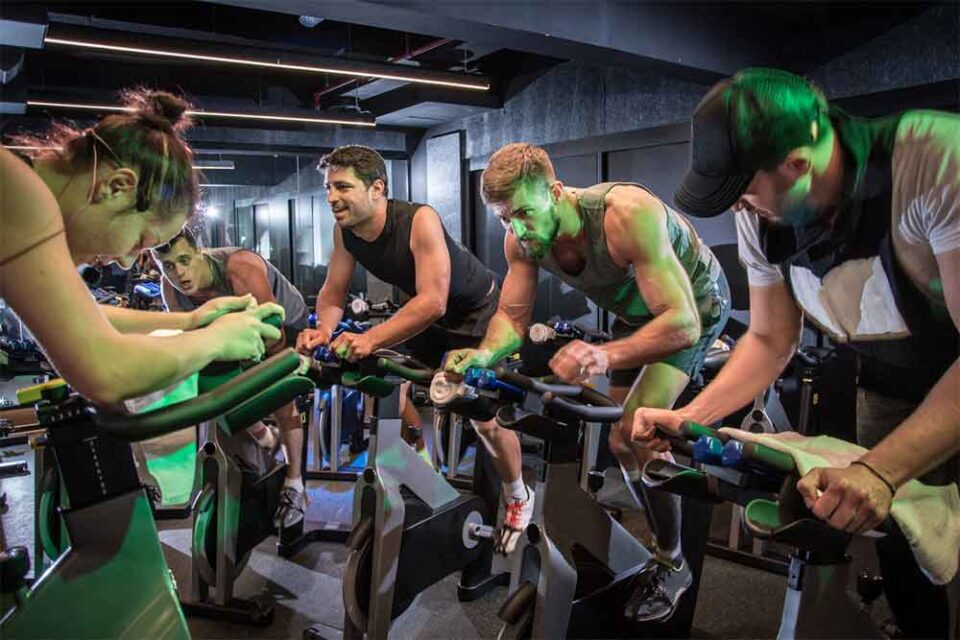
An indoor-cycling class depends on every bike responding predictably. Facilities offering indoor cycling singapore sessions should treat maintenance consistency as part of class quality, not simply as a repair task performed after equipment visibly fails.
A rider’s resistance choices, cadence and confidence depend on the bike behaving similarly from one visit to the next. Small inconsistencies can disrupt both training and the overall member experience.
Resistance Controls Need Predictable Response
Two bikes may display the same resistance level while feeling different because of calibration, wear or system variation. Riders then struggle to compare performance across sessions.
A control that changes resistance inconsistently can also make instructor cues difficult to follow. One small turn may produce almost no difference, followed by a sudden large increase.
Regular inspection and calibration help maintain a more predictable relationship between adjustment and workload.
Saddles and Handlebars Must Lock Securely
Adjustment systems experience repeated use throughout the day. Levers, pins and threads can loosen or wear.
A saddle that shifts during class changes hip position and distracts the rider. Moving handlebars can create a more immediate stability problem, especially during standing efforts.
Staff should identify movement before a member reports a near failure.
Pedal Straps and Cleats Require Attention
Loose or damaged straps can allow the foot to move during high cadence. Worn pedal mechanisms may affect riders using compatible cycling shoes.
Pedal problems can appear only under load, making visual inspection alone insufficient. Components should be tested through movement where appropriate.
Both sides of the bike need consistent attention because unilateral wear can create uneven foot security.
Unusual Noise Changes Confidence
A clicking, grinding or rubbing sound may not always indicate immediate danger, but riders do not know that. They may reduce effort or become distracted.
Noise can also interfere with music and instructor cues when several bikes are affected. Identifying the source protects both equipment function and the studio atmosphere.
Members should have a clear way to report unusual sounds without disrupting the class.
Flywheel Behaviour Influences Cadence
The flywheel should move smoothly across different speeds and resistance levels. Irregular movement can make cadence feel unstable.
A bike that continues spinning unpredictably or responds slowly to resistance changes reduces the rider’s sense of control. This becomes more noticeable during fast transitions.
Maintenance should include performance at both moderate and high cadence, not only a stationary check.
Display Accuracy Supports Training Decisions
When bikes provide cadence, power or other data, display problems affect how riders pace intervals. A frozen or inconsistent reading can encourage unnecessary effort.
Displays, sensors and connections should be inspected regularly. Battery or power issues should be addressed before the class begins.
Members should still use movement quality and perceived effort rather than trusting one screen completely.
Cleaning and Maintenance Are Connected
Sweat can reach adjustment points, handlebars, frames and electronic components. Cleaning protects hygiene, while correct procedures may also reduce long-term wear.
Harsh products or excessive moisture can damage surfaces and systems. Staff need equipment-specific guidance rather than one method for every bike.
A clean appearance should not conceal mechanical neglect.
Preventive Checks Reduce Class Disruption
Waiting for a component to fail during a session creates a poor experience and may reduce available capacity. Preventive inspection identifies wear earlier.
Useful checks can include:
- Adjustment locks.
- Pedal and strap condition.
- Resistance response.
- Saddle stability.
- Handlebar stability.
- Display and sensor operation.
- Unusual noise during rotation.
The frequency should reflect usage and manufacturer recommendations.
Maintenance Records Reveal Patterns
An individual repair may solve one problem without showing that the same component fails repeatedly across several bikes.
Maintenance logs can identify recurring faults, heavily used stations and the time between repairs. This helps facilities decide whether a component, servicing process or equipment batch needs attention.
Records also prevent the same issue from being reported repeatedly without a clear resolution.
Instructors Provide Valuable Feedback
Instructors observe the room under real class conditions. They may notice a rider changing bikes, struggling with an adjustment or reporting unusual resistance.
A structured reporting process allows this information to reach maintenance staff quickly. Informal comments can be forgotten after a busy class transition.
Instructors should not be expected to perform technical repairs, but their observations are valuable operational data.
Consistency Supports Member Progress
Riders often select a preferred bike because they trust its setup and response. This can create unequal demand when other bikes feel noticeably different.
At True Fitness Singapore, consistent equipment condition can help members choose bikes according to position and preference rather than avoiding poorly maintained stations.
Reliable equipment also makes session records more meaningful.
Maintenance Is Part of Programme Delivery
Indoor cycling is delivered through both the instructor and the bike. Strong cueing cannot fully compensate for unstable saddles, unreliable resistance or damaged pedals.
Consistent maintenance protects safety, class flow and confidence. When every bike responds predictably, members can focus on cadence, resistance and effort instead of wondering whether the equipment is changing underneath them.
