
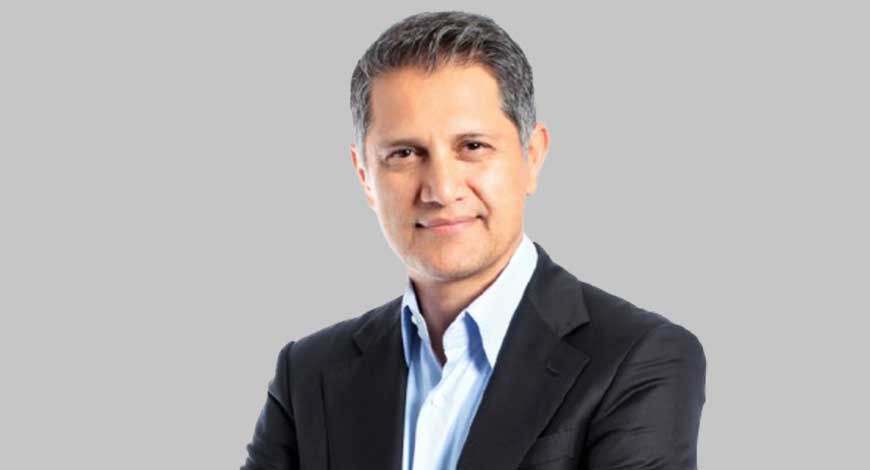
When people think about breakthroughs in health technology, the spotlight usually falls on famous names and visible founders. Yet behind every headline-grabbing announcement are teams of engineers, behavioral scientists, and designers whose work makes those innovations possible. Joe Kiani, Masimo and Willow Laboratories founder, is one of the best-known advocates for healthcare innovation. His latest project, Nutu™, reflects that vision by turning prevention into daily practice through simple, sustainable guidance. At the same time, real progress also depends on the quiet persistence of unsung contributors whose ability to connect human needs with technical solutions explains why prevention technologies are beginning to resonate globally.
The health innovation story is broader than product launches or investment rounds. It is also about the people who transform abstract ideas into usable tools that help ordinary individuals take better care of themselves. From coding seamless interfaces to testing feedback loops that encourage healthier habits, these innovators embody a patient, empathetic approach. Their efforts remind us that prevention is as much about design and trust as it is about science.
Beyond the Spotlight
The most celebrated innovators often become symbols of progress, but they rarely succeed alone. For every founder on stage at a conference, dozens of team members contribute research, technical expertise, and design insights that make solutions work in the real world. These contributors are not often profiled, yet their fingerprints are on every preventive tool that reaches the public.
Take, for example, the rise of wearable health trackers. Engineers and data scientists worked together to refine sensors that could capture accurate heart rate or sleep data in real-world conditions. Their iterative testing, often unseen, ensures that millions of people can rely on their devices to make healthier choices. Without this invisible labor, the promise of personalized prevention would remain theoretical.
The Human Side of Design
Health technology only succeeds when it feels human. That is where behavioral scientists and user-experience designers come in. Their role is to bridge the gap between clinical research and everyday routines. They ask the questions that make-or-break adoption: Will someone use this? Does it feel supportive rather than burdensome? Does the design inspire confidence rather than anxiety?
These concerns may sound subtle, but they determine whether preventive technology becomes part of a person’s life or is discarded after a few days. Human-centered design is not an accessory to health innovation, but it is the engine that drives it. By making tools empathetic and approachable, these innovators ensure that prevention is woven into daily life instead of sitting on the shelf.
Empathy Built into Prevention
This emphasis on empathy is not accidental. It reflects a growing recognition that people resist technologies that lecture or intimidate them. Effective preventive tools guide, encourage, and adapt to individual circumstances. The unsung innovators behind them often come from backgrounds in psychology, education, or public health. They know that lasting health improvement happens when people feel understood, not judged.
That is where recognition becomes critical. By valuing these contributors, we reinforce the idea that innovation is not just about clever code or flashy hardware. It is about the ability to translate complex science into something people can welcome into their lives. In that translation, empathy becomes as important as technical skills.
Designing Empathy into Technology
Nutu was born from the idea that healthcare should reside in individuals’ homes, habits, and hands. Joe Kiani, Masimo founder, says, “I want to help people and allow them to make better decisions.” His words highlight the philosophy that guides prevention-first design, showing that innovation thrives when it reflects empathy, practicality, and human dignity.
By embedding behavioral science and personalized data into daily guidance, Nutu and similar tools illustrate how slight changes accumulate into sustainable outcomes. Behind these solutions are teams of designers, data analysts, and health experts who ensure the technology supports rather than pressures. Their contributions rarely make headlines, but they define the difference between products that fade quickly and those that profoundly change lives.
Global Lessons from Unsung Innovators
Stories of unrecognized innovators are not limited to one country. In India, developers have built low-cost mobile apps that deliver maternal health reminders to women in rural areas. Their work is reshaping outcomes in places where traditional healthcare access is limited. In Europe, multidisciplinary teams have created mental health platforms that use gentle nudges rather than alarms, guided by psychologists who understand the need for reassurance. Across Africa, local engineers are adapting wearable devices for off-grid communities, ensuring prevention tools do not depend on expensive infrastructure.
Each example underscores the same point that innovation is not defined by fame. It is defined by persistence, adaptation, and willingness to listen to what people actually need. The world benefits when these innovators are recognized, because their contributions expand the reach of prevention-first tools beyond wealthy markets into diverse settings.
Building Trust Through Diversity
Trust in health innovation grows when the teams behind it reflect the communities they serve. Diverse innovators bring different perspectives, helping tools resonate with varied cultural and social contexts. It matters especially in prevention, where behavior is shaped by daily habits rooted in community traditions.
Encouraging recognition of these innovators also fosters equity. When funders and policymakers highlight the behind-the-scenes contributors, they attract more diverse talent to health innovation. That in turn ensures prevention-first tools are inclusive, empathetic, and globally relevant. The ripple effect is stronger trust and higher adoption rates, which make preventive strategies more effective.
Quiet Builders of the Future
The health technology landscape often celebrates bold claims and visionary leaders. Yet progress depends just as much on the quiet builders whose names are rarely known. Their patient work turns vision into reality, ensuring preventive tools are not just theoretical possibilities but everyday supports for healthier lives.
Joe Kiani, Masimo founder, is one of many leaders who point out that proactive healthcare only advances when it is practical and approachable. His presence alongside the contributions of behind-the-scenes teams shows how leadership and collaboration work together to shape the future of health. By recognizing these quiet innovators, we see that progress is not built solely in boardrooms or labs but through persistence, humility, and design that puts people first.
