
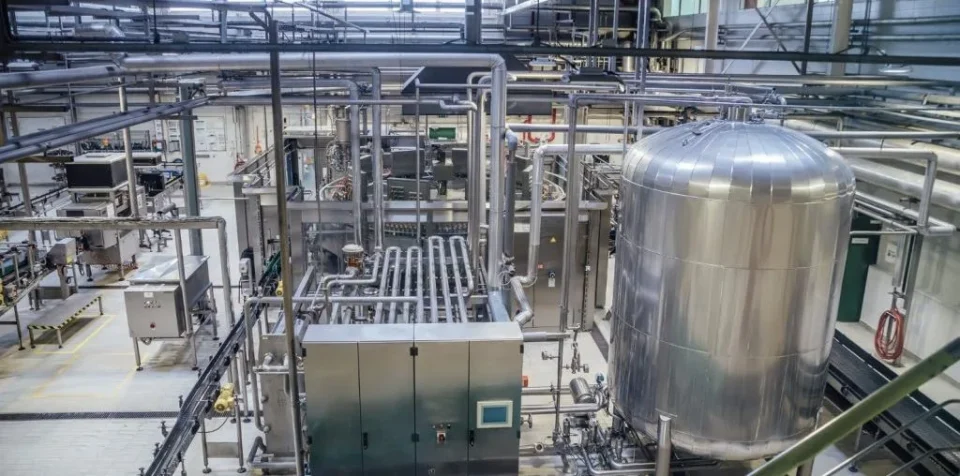
The term industry represents the organized production of goods and services within an economy. It encompasses a wide spectrum, from traditional manufacturing to advanced technology, agriculture, energy, and service-oriented sectors. Understanding the structure, trends, and impact of various industries is crucial for policymakers, investors, and business leaders aiming to harness growth opportunities and drive innovation. Industries not only fuel economic growth but also shape societal standards, employment patterns, and technological advancement.
Defining Industry and Its Scope
An industry is generally classified as a group of enterprises producing similar products or services. It can be categorized into three main types:
- Primary Industry: Extracts and utilizes natural resources. Examples include mining, agriculture, forestry, and fishing. These industries form the foundation of economic activity by supplying raw materials for further production.
- Secondary Industry: Involves manufacturing and processing raw materials into finished products. This includes factories producing electronics, automobiles, textiles, and consumer goods. Secondary industries are vital for adding value to raw materials and enhancing trade potential.
- Tertiary Industry: Focuses on services rather than physical goods. Examples include banking, healthcare, education, logistics, and tourism. The tertiary sector has grown substantially in modern economies, reflecting the shift toward knowledge-based and service-oriented economic activity.
The classification can also extend to quaternary and quinary sectors, which involve knowledge-based services, research, policy-making, and high-level decision-making activities.
The Role of Industry in Economic Growth
Industries are central to economic development, and their impact can be observed in several dimensions.
Job Creation
Industries generate employment opportunities, ranging from labor-intensive roles in manufacturing and agriculture to high-skilled positions in technology and finance. Employment across industries contributes to household income, purchasing power, and overall economic stability.
Innovation and Technological Advancement
Industries are engines of innovation. Research and development (R&D) initiatives within sectors like pharmaceuticals, electronics, and automotive drive technological progress. Innovations developed in industrial contexts often diffuse into other sectors, improving efficiency and fostering new products.
Wealth Generation
Industrial activity contributes to national wealth through exports, taxes, and business profits. Manufacturing and service industries increase the value of raw materials, facilitate trade, and create economic multipliers that strengthen local and national economies.
Infrastructure Development
Industrial growth necessitates infrastructure such as transportation networks, power supply, and communication systems. These developments not only support industrial activity but also enhance broader economic connectivity and regional development.
Global Competitiveness
Industries enable countries to participate in global trade, improve balance of payments, and establish international market presence. Competitively productive industries enhance national influence and economic resilience in global markets.
Key Factors Influencing Industrial Development
Industrial growth is affected by a combination of macroeconomic, social, and technological factors.
Access to Raw Materials
Availability of raw materials is essential for manufacturing and production processes. Industries located near resource-rich areas often benefit from lower costs and more efficient supply chains.
Skilled Workforce
Human capital plays a crucial role in industrial success. Industries require trained personnel capable of operating machinery, conducting research, managing logistics, and implementing innovative practices.
Technological Infrastructure
Advanced technology and digital tools enhance productivity, reduce operational costs, and enable the creation of complex products. Automation, artificial intelligence, and IoT integration have revolutionized industrial processes across sectors.
Government Policies and Incentives
Regulatory frameworks, tax incentives, subsidies, and trade policies significantly influence industrial growth. Supportive policies can attract foreign investment, stimulate local entrepreneurship, and encourage sustainable practices.
Market Demand and Consumer Trends
Industries respond to consumer behavior, preferences, and emerging trends. Market-oriented industries prioritize flexibility and adaptability to remain competitive. For instance, the surge in eco-conscious consumers has led to growth in green manufacturing and sustainable products.
Access to Capital and Investment
Industrial development requires financial resources for infrastructure, machinery, research, and workforce training. Access to both domestic and international investment is critical for scaling operations and sustaining long-term growth.
Industrial Sectors Driving Modern Economies
Modern economies rely on a combination of traditional and emerging industries to maintain growth and innovation.
Manufacturing Industry
The manufacturing sector transforms raw materials into consumer and industrial goods. Key sub-sectors include:
- Automotive: Produces vehicles and related components, driving technological innovation and global trade.
- Electronics: Develops semiconductors, smartphones, and digital appliances, contributing to the digital economy.
- Textiles and Apparel: Supplies domestic and international markets, particularly in emerging economies.
Energy Industry
Energy production and distribution are foundational for industrial activities. Traditional energy sources like oil, gas, and coal coexist with renewable alternatives such as solar, wind, and hydroelectric power. The energy industry is vital for powering manufacturing, transportation, and urban development.
Technology Industry
The technology sector encompasses software development, digital services, AI, robotics, and cloud computing. This industry not only supports other sectors through innovation but also creates high-value jobs and global economic influence.
Agriculture and Food Industry
Agriculture remains essential for food security, raw materials, and export revenues. Advances in mechanization, biotechnology, and sustainable farming practices have enhanced productivity and supply chain efficiency.
Healthcare and Pharmaceuticals
Healthcare industries contribute to public welfare and economic stability. Pharmaceutical manufacturing, medical devices, biotechnology, and healthcare services form a critical sector for population well-being and industrial growth.
Service Industry
Service industries, including finance, logistics, tourism, and education, have become dominant in many developed economies. These sectors rely on intellectual capital, technology, and efficient management practices to generate value.
Challenges Facing Modern Industries
Despite their importance, industries encounter several challenges that can impede growth and sustainability.
Environmental Concerns
Industrial processes can generate pollution, waste, and greenhouse gas emissions. Environmental regulations, sustainable practices, and green technology adoption are increasingly necessary for compliance and social responsibility.
Global Competition
Industries face competition from international players, necessitating innovation, cost management, and differentiation strategies. Emerging economies often compete with established industrial nations to capture market share.
Supply Chain Vulnerabilities
Global supply chains are complex and susceptible to disruptions from geopolitical conflicts, natural disasters, or logistical inefficiencies. Industries must implement risk management and diversification strategies to ensure stability.
Technological Disruption
Rapid technological changes can render traditional processes and products obsolete. Industries must continuously invest in R&D and adopt emerging technologies to maintain competitiveness.
Labor Shortages and Skills Gap
The demand for skilled labor often exceeds supply, particularly in advanced manufacturing and technology sectors. Workforce development, training programs, and education alignment with industry needs are critical.
Regulatory and Policy Uncertainty
Changes in tariffs, trade agreements, labor laws, and environmental regulations can significantly affect industrial operations. Industries must navigate these complexities to remain compliant and profitable.
Strategies for Industrial Growth and Sustainability
Industries can adopt several approaches to enhance growth, innovation, and sustainability.
Investment in Research and Development
R&D enables the creation of new products, process optimization, and technological advancements. Industries that prioritize R&D maintain a competitive edge and respond effectively to market changes.
Adoption of Green Technologies
Sustainable industrial practices, renewable energy adoption, and eco-friendly production methods reduce environmental impact and appeal to environmentally-conscious consumers.
Workforce Development Programs
Continuous training, skill development, and leadership programs ensure that industries have access to competent personnel. This strengthens operational efficiency and innovation capacity.
Supply Chain Optimization
Diversified suppliers, advanced logistics management, and real-time monitoring improve resilience and reduce vulnerability to disruptions.
Digital Transformation
Integrating automation, AI, machine learning, and data analytics streamlines industrial processes, enhances productivity, and reduces operational costs.
Global Expansion and Diversification
Expanding to international markets and diversifying product lines mitigate economic risks and enhance revenue streams. Industries that strategically globalize operations are better positioned for long-term growth.
FAQs About Industry
Q1: What is the difference between industry and sector?
An industry refers to a group of companies producing similar products or services, while a sector is a broader classification encompassing multiple related industries. For example, the technology sector includes software, hardware, and semiconductor industries.
Q2: How do industries contribute to innovation?
Industries invest in R&D, collaborate with academic institutions, and implement new technologies to develop innovative products and processes, improving efficiency and consumer offerings.
Q3: Why is industrial diversification important for an economy?
Diversification reduces dependence on a single industry, mitigates economic risks, and enhances resilience against market fluctuations and global disruptions.
Q4: What role do industries play in employment generation?
Industries create direct employment in production, management, and R&D, as well as indirect opportunities in supply chains, logistics, marketing, and service provision.
Q5: How can industries adapt to environmental regulations?
Industries can adopt cleaner production techniques, invest in renewable energy, implement waste management strategies, and comply with international environmental standards.
Q6: What are the emerging trends shaping modern industries?
Emerging trends include digitalization, AI integration, sustainability initiatives, globalized supply chains, and emphasis on knowledge-based services.
Q7: How does technology impact industrial growth?
Technology increases operational efficiency, enables innovation, facilitates global market access, and supports sustainable practices, driving growth and competitiveness.
Industries form the backbone of economic growth, social development, and technological innovation. By understanding their structure, challenges, and evolving trends, stakeholders can make informed decisions, enhance competitiveness, and drive sustainable growth in an increasingly interconnected global economy.
